Beginners Guide to Thermaling: 20 Tips to Learn
This guide will break down the progression into triggers, flow of the day, time of the year, and practical tactics to refine your thermaling skills.
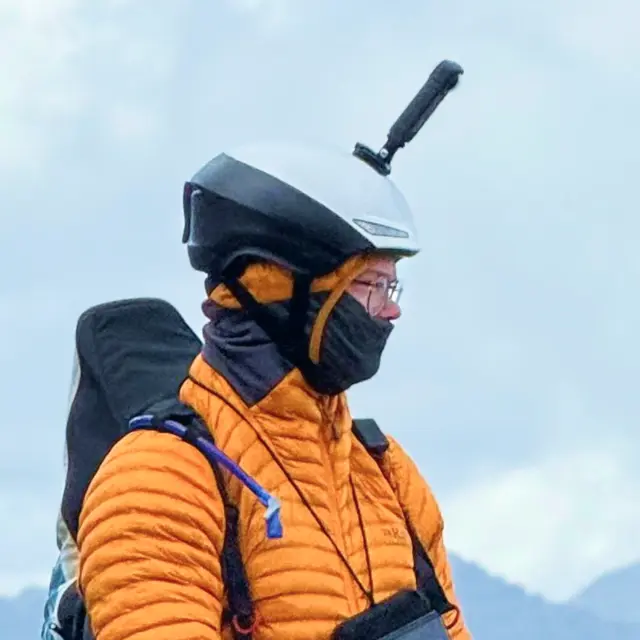
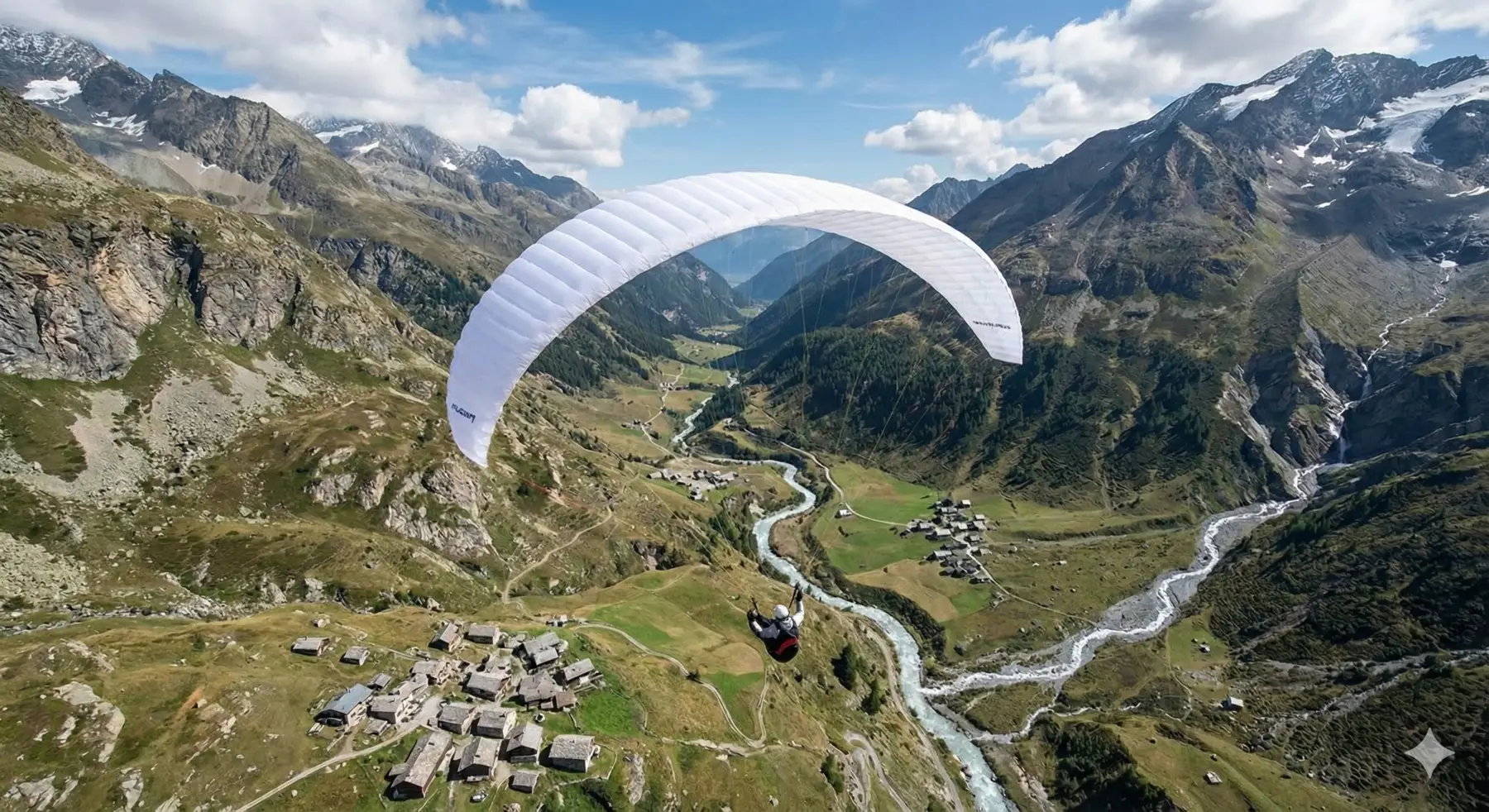
Thermaling is one of the most critical skills in paragliding, especially in mountainous terrain. Understanding how to read the air, anticipate thermals, and make the most of them is essential for progressing from a beginner to an expert mountain pilot. This guide will break down the progression into triggers, flow of the day, time of the year, and practical tactics to refine your thermaling skills.
Beginner Tips: Laying the Foundation
Recognizing Thermal Triggers
For beginners, the key is learning to identify the simplest thermal triggers:
- Sun-heated slopes: South-facing ridges warm up faster, creating lift.
- Rocky outcrops: Rocks heat quickly compared to vegetation.
- Flat clearings: Meadows or roads in forests can act as localized thermal sources.
Tip: Look for birds or dust devils. They are natural indicators of lift.
Flow of the Day
- Early morning: Typically weak thermals, mostly ridge soaring.
- Late morning: Thermals start forming as the sun warms slopes.
- Afternoon: Strongest thermals, but also more turbulence.
Highlight: Beginners should avoid the strongest afternoon thermals until confident in controlling the wing in turbulent air.
Practical Tactics
- Stick close to the ridge.
- Focus on small, stable turns in lift.
- Learn to maintain your bank angle, don’t over-rotate.
Intermediate Tips: Linking Thermals and Understanding the Mountain
Thermal Triggers
At this stage, start recognizing more subtle triggers:
- Valley funnels: Warm air rises and is channeled along valleys.
- Shadow lines: Areas that warm faster than their surroundings can generate lift along the edge of a shadow.
- Convergence zones: Winds hitting opposing slopes can create updrafts.
Note: Thermals in mountains are often distorted or irregular due to complex terrain.
Flow of the Day
- Track thermal development over the whole mountain.
- Learn the rhythm: some ridges heat faster than others, creating a chain of lift spots.
Practical Tactics
- Centering thermals efficiently: Focus on small, precise circles in the core.
- Reading your instruments: Use vario tones to judge where lift is strongest.
- Airspace awareness: Watch for wind shifts and rotor zones behind ridges.
Pro Tip: Always plan an exit before committing to a thermal. Mountains can surprise you with downdrafts.
Expert Tips: Advanced Mountain Thermaling
Thermal Triggers
- Sun angle and slope orientation: Experienced pilots predict thermal strength based on solar exposure.
- Cloud cues: Cumulus clouds can mark strong lift; knowing when to trust them is crucial.
- Micro-variations in terrain: Small ridges, rocks, or even trails can create localized lift.
Insight: Expert pilots often “read” the mountain from afar, spotting lift before they reach it.
Flow of the Day
- Dynamic soaring: Linking multiple thermals and ridges to extend flight duration.
- Anticipating thermal fade: Experienced pilots know when a thermal will weaken or shift and adjust course.
- Exploiting wind-thermal interaction: Using wind direction and slope orientation to enhance lift efficiency.
Practical Tactics
- Thermal penetration and exit angles: Adjust bank angle and entry speed based on surrounding air conditions.
- Core-hopping: Move quickly between strong cores within a single thermal.
- Energy management: Save altitude for strategic climbs and long glides to the next thermal.
Master Class Tip: The best mountain thermals are rarely at the obvious peak. Look for subtle cues: a thin line of trees, a rocky patch, or even birds circling in small tight loops.
Time of Year Considerations
- Spring: Stable winds, early thermals; excellent for learning basic ridge-to-thermal transitions.
- Summer: Strong thermals, more turbulence; ideal for practicing thermal linking but requires caution.
- Autumn: Softer thermals, often smooth ridge soaring; good for practicing efficiency and planning XC flights.
- Winter: Rare thermals, more dependent on terrain heating; excellent for honing ridge flying and lift anticipation.
Summary: Progression Strategy
| Level | Focus | Key Tactics |
|---|---|---|
| Beginner | Recognize basic lift, safe thermaling | Ridge proximity, small turns, lift spotting |
| Intermediate | Thermal linking, mountain flow | Centering, reading vario, avoiding rotors |
| Expert | Predicting, maximizing efficiency | Core-hopping, energy management, advanced triggers |
Final Thought: Mountain thermaling is a skill honed over time. Start with observation, progress through careful practice, and always respect the mountain’s hidden challenges.